Integrated optimization of electric bus systems
RESEARCH PROJECT · JUL 2022 – DEC 2023
Planning charging infrastructure and daily operations together.
Supervised by Dr. Yi He and Prof. Zhengbing He.
Battery electric buses (BEBs) offer a cleaner alternative to combustion engine vehicles, but limited range, lengthy charging times, and battery costs constrain their adoption. Dynamic wireless charging (DWC) allows buses to charge while in motion, extending their operating range and reducing onboard battery requirements.
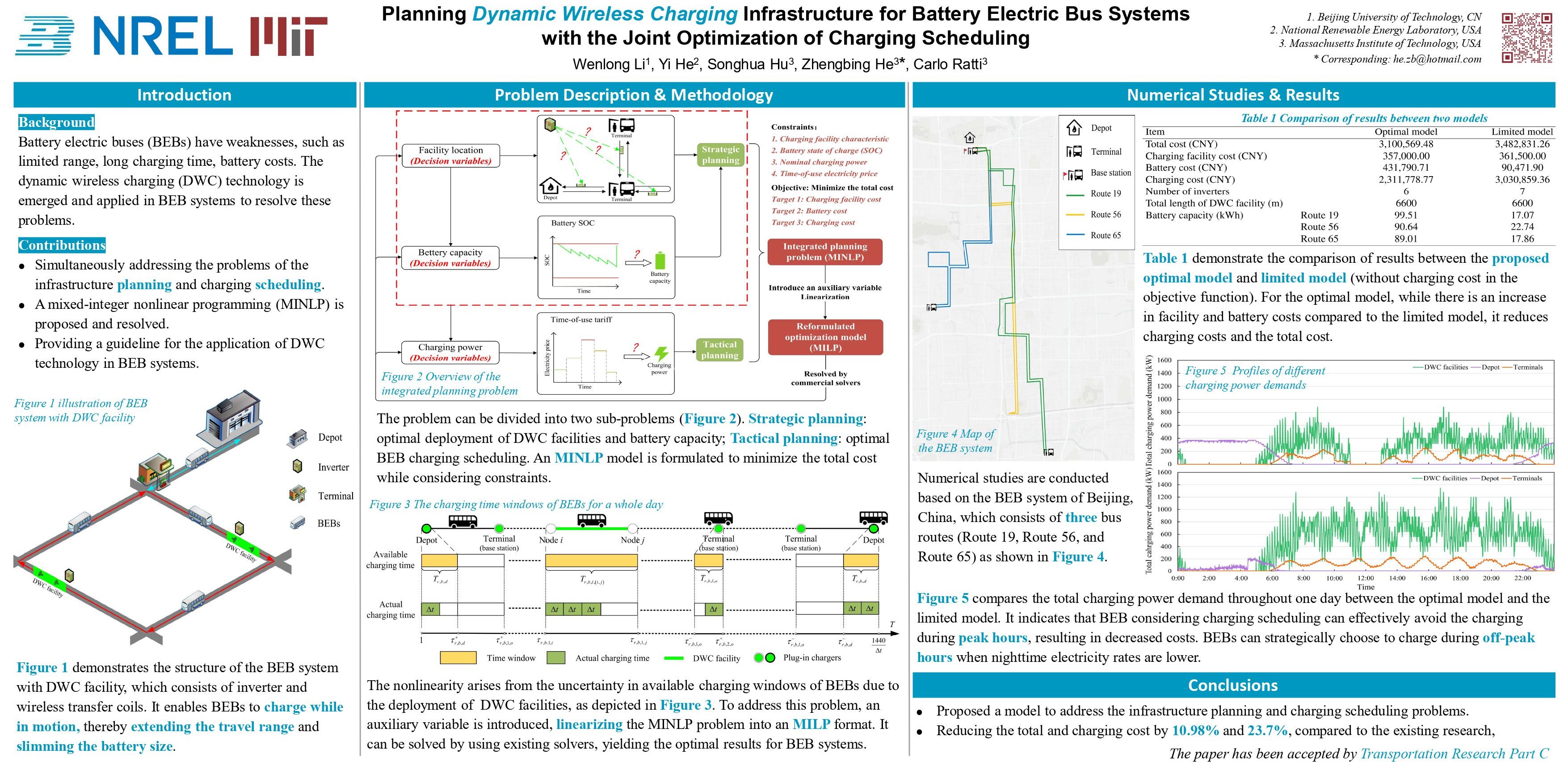
Charging infrastructure, battery capacity, and charging schedules are interdependent. This research jointly addresses long-term strategic planning and short-term tactical operations through a mixed-integer nonlinear programming (MINLP) model.
A joint planning framework
- Long-term strategic optimization: minimize overall costs by optimizing the deployment of DWC facilities and the battery capacity of electric buses.
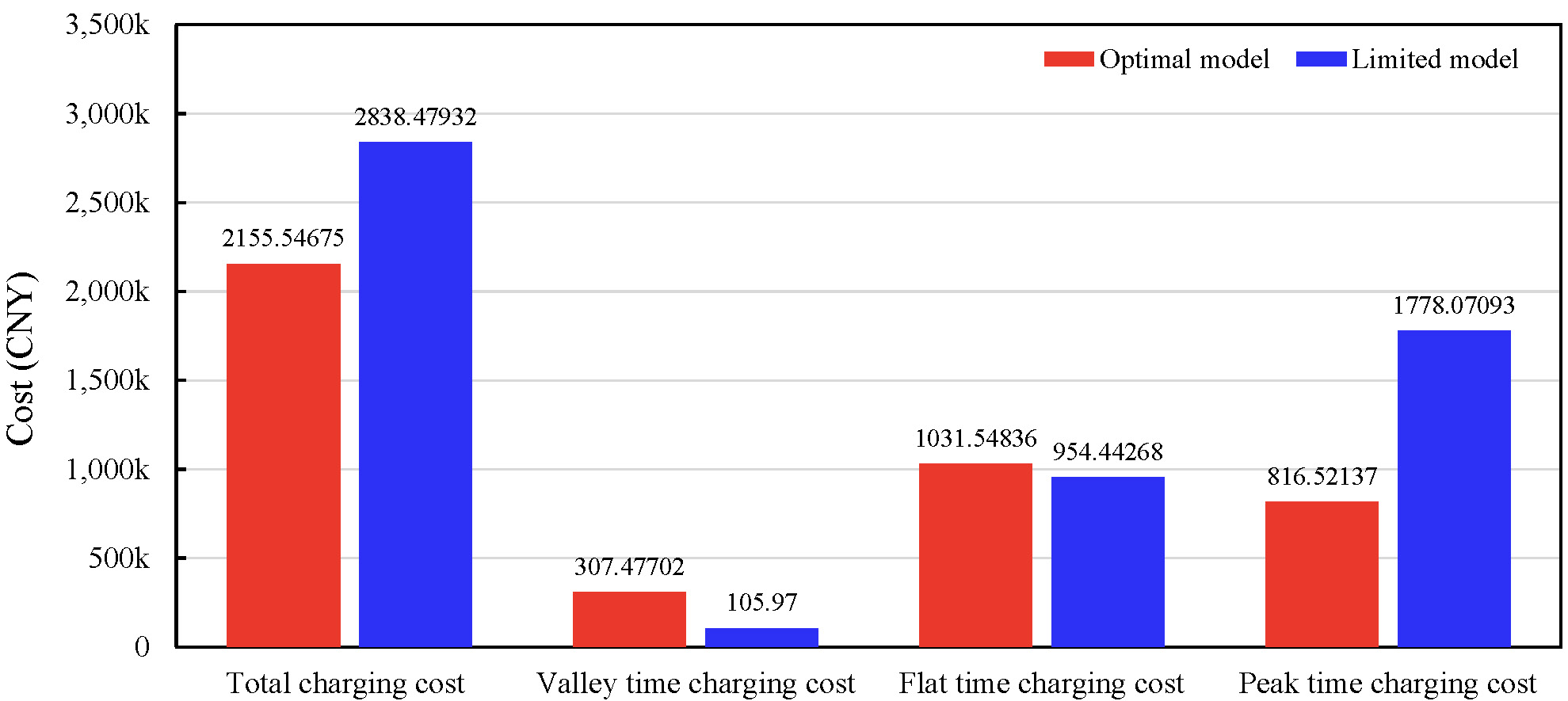
- Short-term tactical optimization: minimize charging costs by optimizing daily charging schedules under time-of-use electricity tariffs.
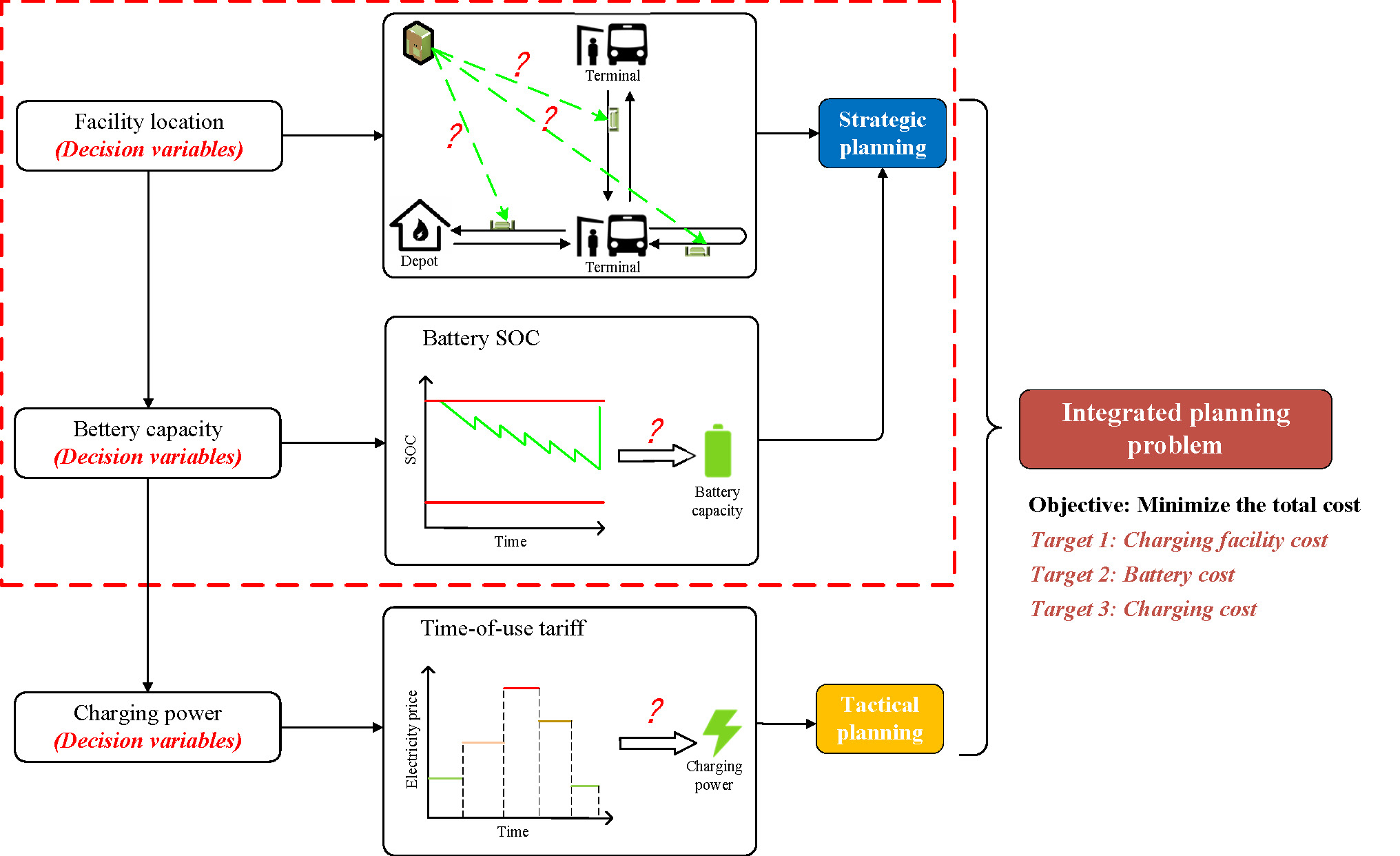
Because buses follow fixed routes and schedules, DWC equipment can be strategically installed along their routes.
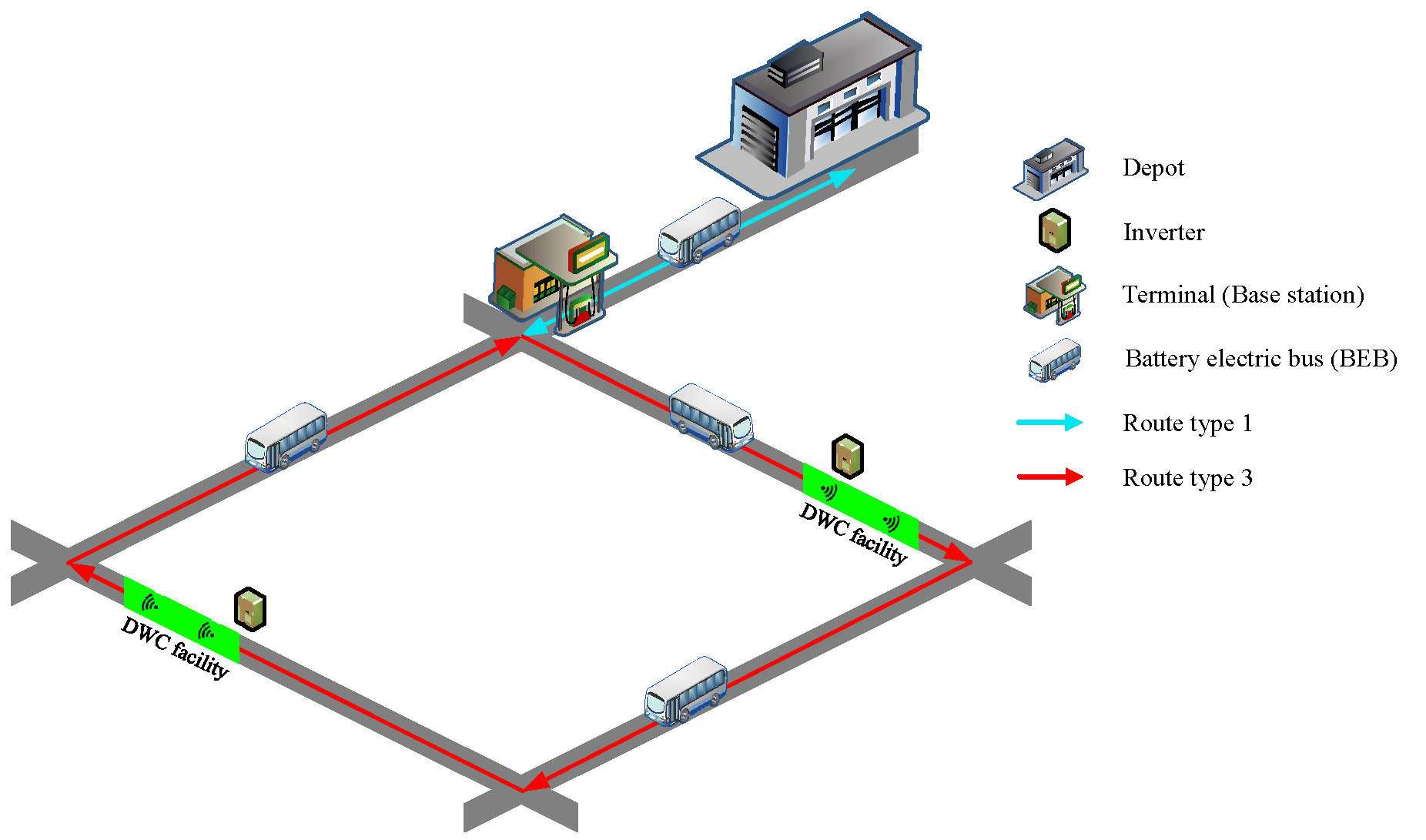
Case study: Beijing bus network
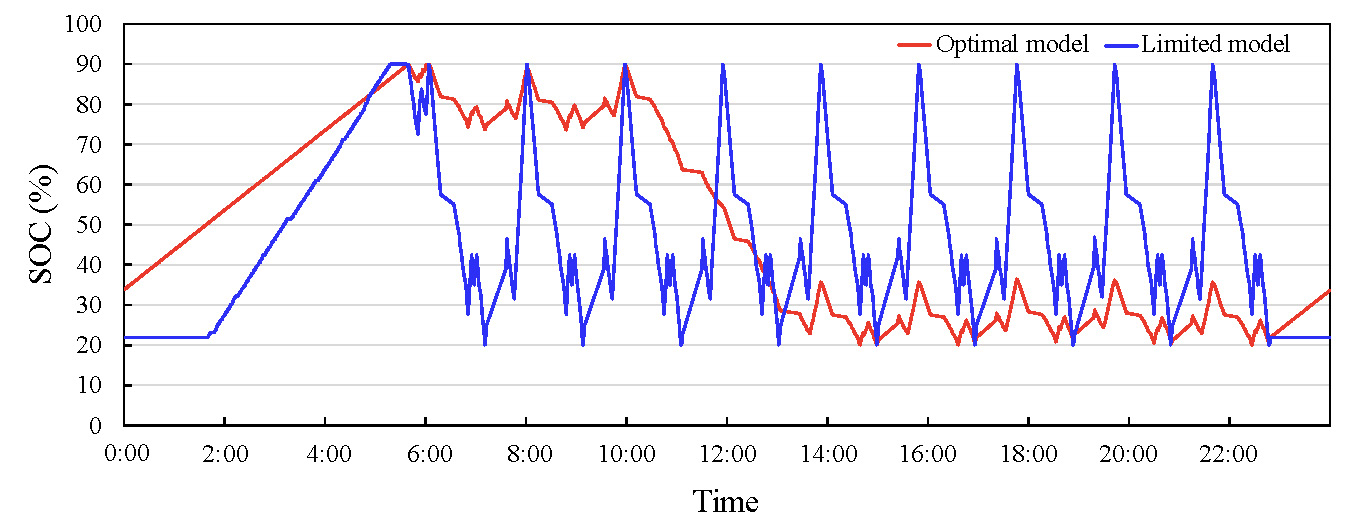
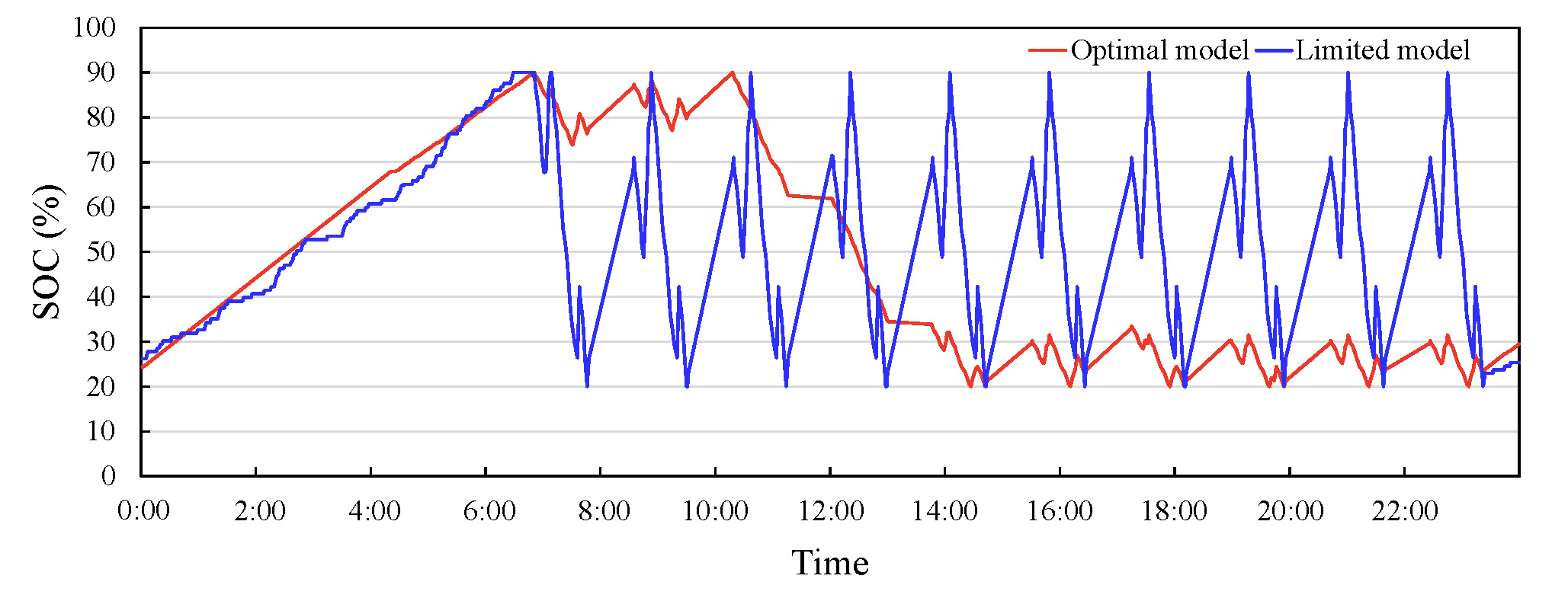
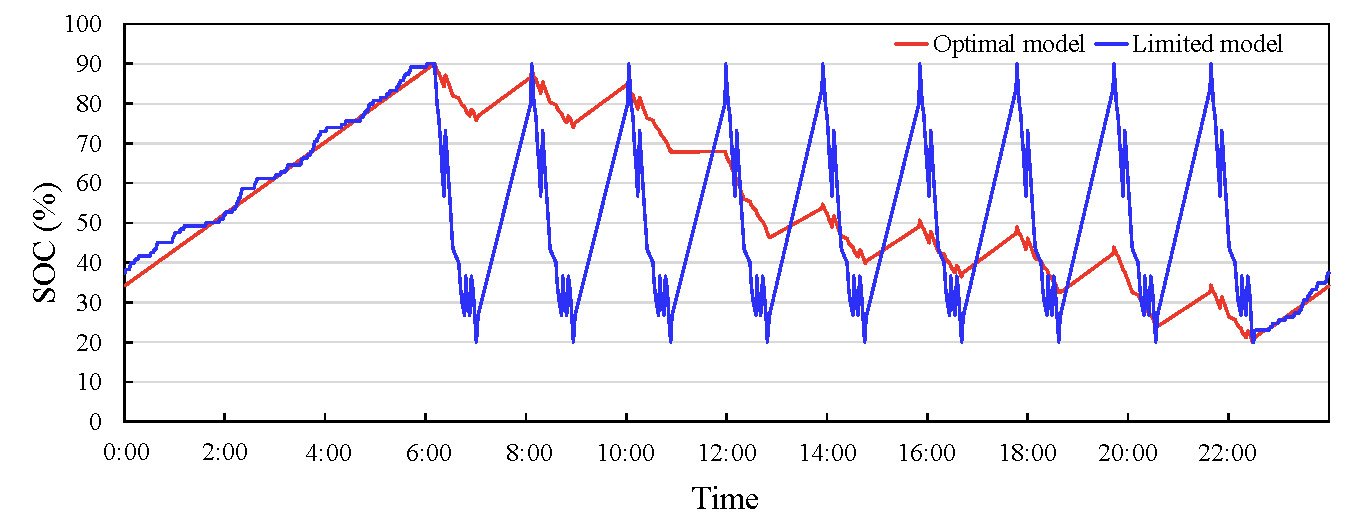
Numerical experiments use Beijing bus routes 19, 59, and 65. The model identifies DWC facility locations and battery sizes, and compares charging schedules before and after optimization.
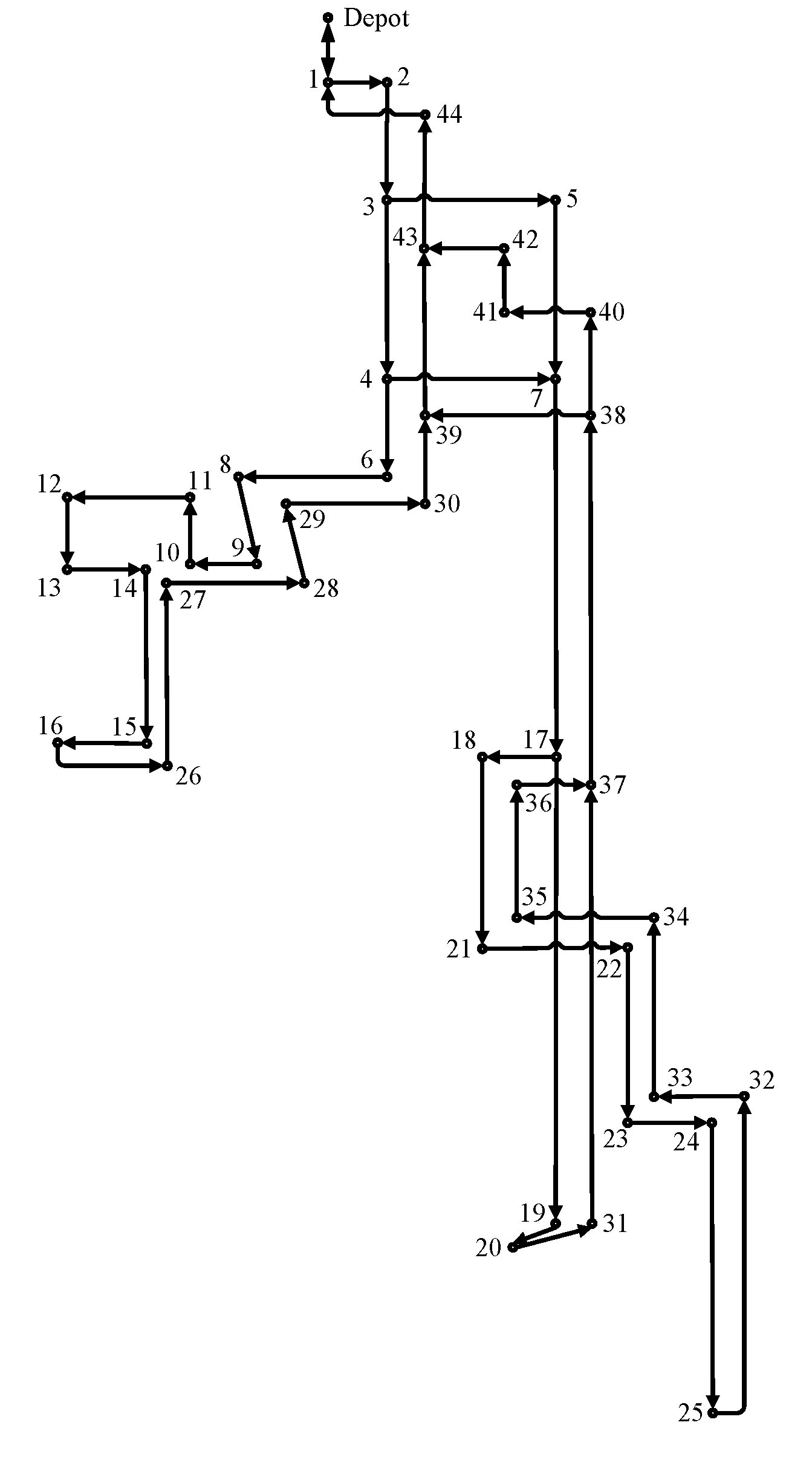
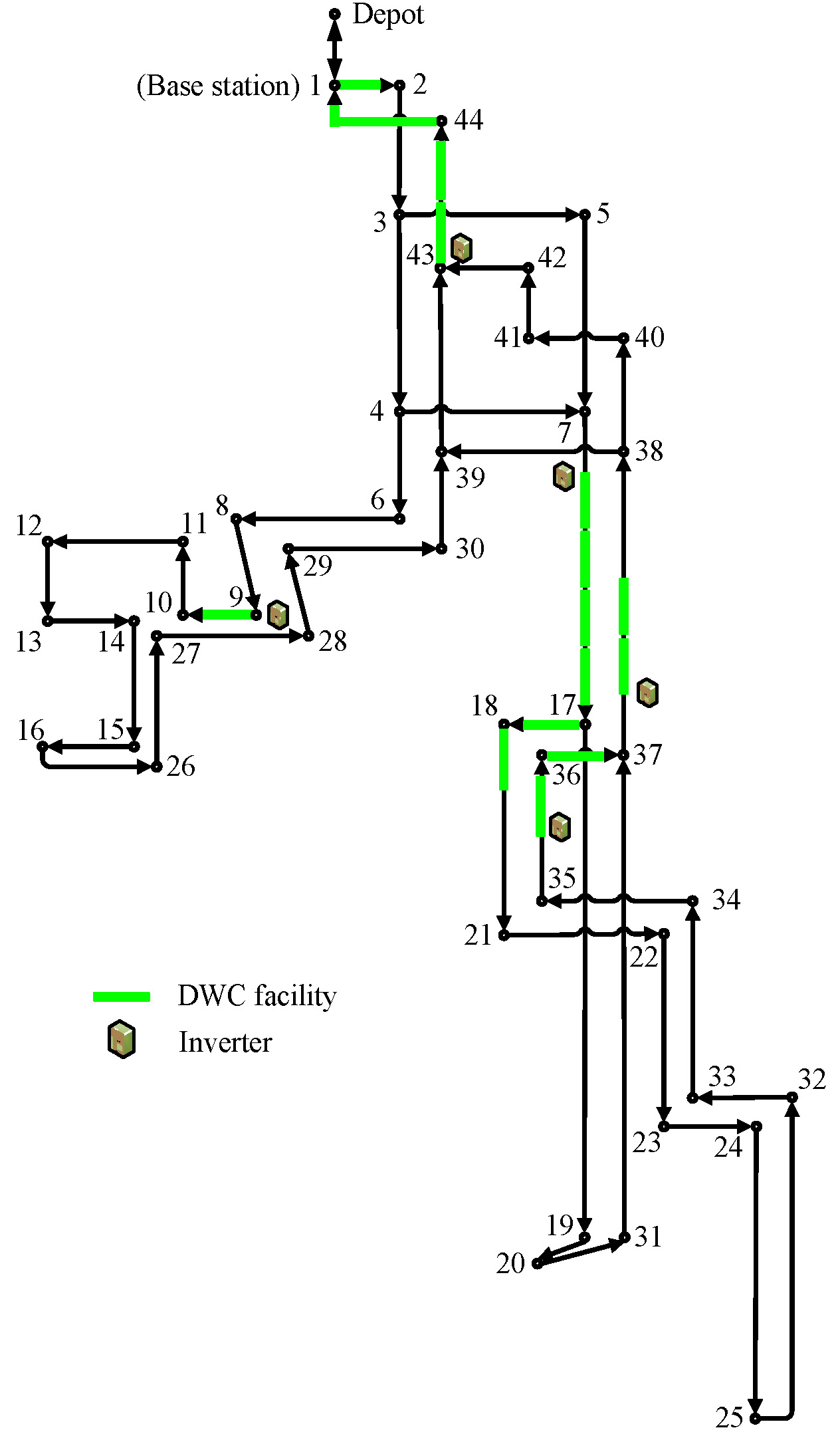
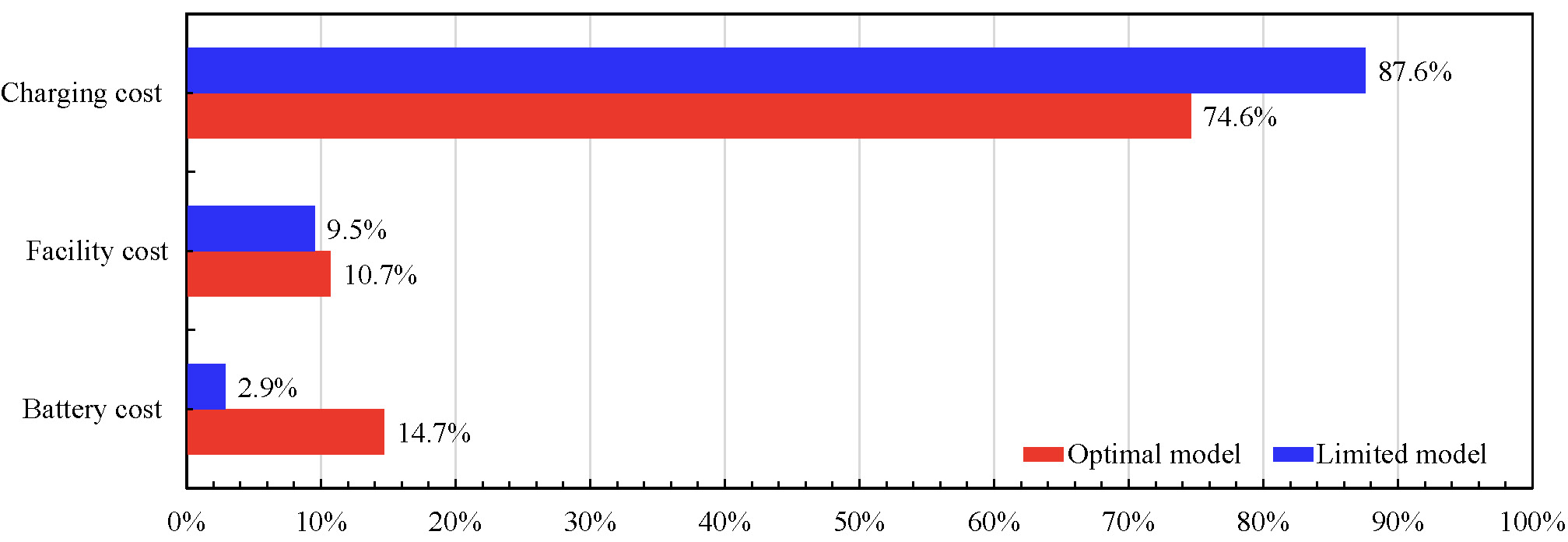
Costs and charging schedules
The optimization accounts for charging facilities, batteries, and electricity costs. By making better use of DWC infrastructure, buses can reduce battery depth of discharge and battery capacity requirements.
Explore the battery state-of-charge results
Comparison of battery state of charge before and after charging optimization. Select any figure to open the full-resolution image.
Sharing the research
Related findings were reported at the 103rd Transportation Research Board Annual Meeting, AP050 Committee on Bus Transit Systems.